Sampling plan built around your concerns
We choose sample locations based on symptoms, odor, recent water events, HVAC layout, and how the building is used, not a one-size checklist.
Serving Charlotte, North Carolina & surrounding areas
Mon–Fri 8am–6pm · Sat 9am–2pm
Find out what is actually in the air you are breathing with professional sampling, accredited lab analysis, and clear next steps for your home or workplace.
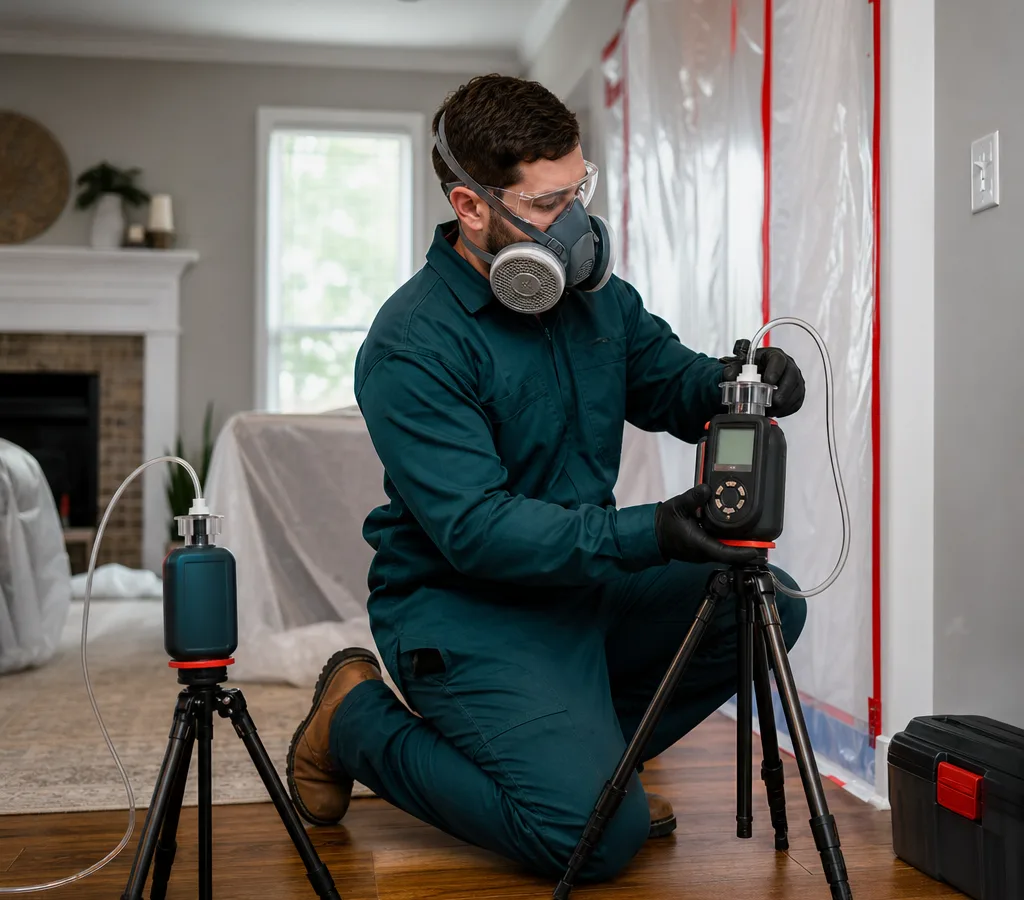
If you searched for air quality testing Charlotte NC, you probably want a straight answer to a simple question: is something in the air causing symptoms or indicating a moisture problem? The most common triggers we help confirm are mold spores, elevated particulate levels from construction dust, and allergens that build up in HVAC systems.
In Charlotte, humid stretches, heavy rains, and tightly sealed newer construction can all contribute to indoor air issues. That shows up as musty odor, recurring allergy-like symptoms that improve when you leave the building, or concerns after a leak, HVAC drain backup, or crawlspace moisture.
Air sampling is useful when you need documentation, a baseline before a purchase, or you want to verify that a problem is not just “in your head.” It is also helpful after cleanup work, when you want objective confirmation that conditions have improved.
We also handle situations where air testing is not the best first move. If there is visible growth, obvious water damage, or an active leak, the priority is documenting the moisture source and affected materials. In those cases, we can still test, but we will explain what the result can and cannot prove so you do not spend money on the wrong step.
A practical air quality testing plan compares indoor conditions to an outdoor baseline and pairs air results with what we see in the building. Air numbers without context often create confusion.
Typical indoor air sampling for suspected mold uses spore trap cassettes and a calibrated pump for a timed sample. We select locations based on concerns, air flow patterns, and HVAC returns, then send the cassettes to a qualified lab for microscopic analysis and a written report.
Depending on your concerns, testing may also include:
What testing does not do: it does not locate the leak or condensation source by itself, and it does not guarantee a building is “mold free.” It gives evidence you can act on: where to investigate, what to fix, and whether conditions are consistent with a moisture-driven issue.
If you are also weighing broader indoor environmental concerns, Mold Removal Charlotte can coordinate air results with a plan for Charlotte mold remediation when the findings point to a building-material problem rather than a simple filtration issue.
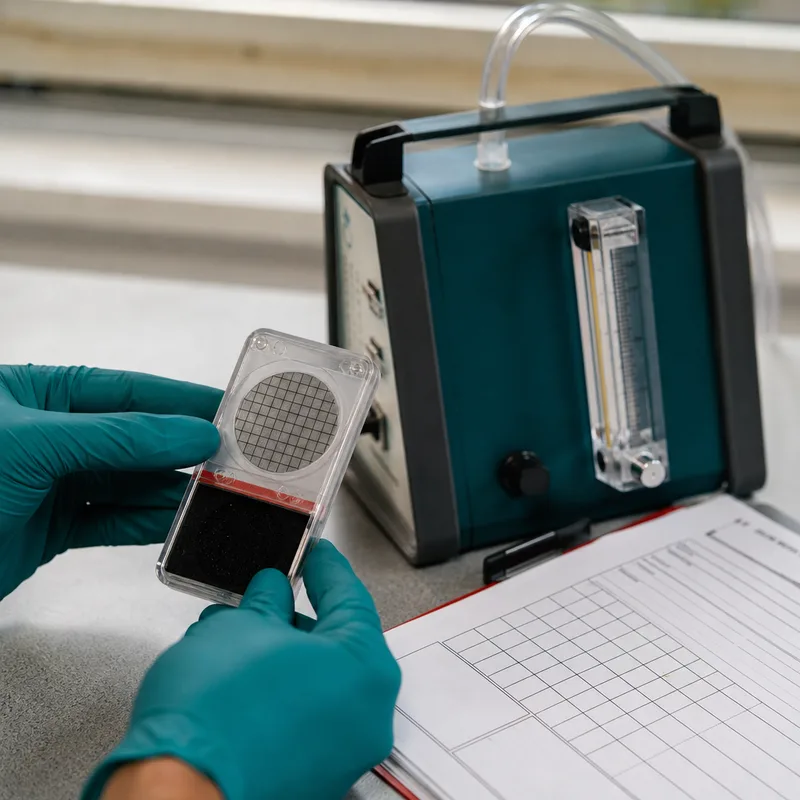
We choose sample locations based on symptoms, odor, recent water events, HVAC layout, and how the building is used, not a one-size checklist.
An outdoor baseline helps interpret indoor spore types and levels so the report reflects the day’s real conditions.
You receive written results suitable for landlords, property managers, buyers and sellers, or a contractor planning next steps.
When results suggest a moisture driver, we explain common root causes in homes here, including crawlspace humidity, attic ventilation issues, and plumbing or HVAC condensation.
If results point to a localized issue, we outline targeted actions. If they point to a building-wide problem, we explain what a larger scope usually involves.
We work cleanly and minimize disruption in homes, rentals, schools, and offices. Sampling is quick, and we document everything we do.
You tell us what prompted testing: symptoms, odor, a recent leak, a real estate deadline, or post-repair verification. We confirm what questions the testing needs to answer.
We look for visible conditions that affect results, including staining, past water paths, and HVAC operation. We use moisture meters where appropriate so air data is tied to building conditions.
We collect indoor samples in the areas that matter, often the complaint area plus a control area, and an outdoor baseline, then label and document each sample for the lab.
The lab analyzes spore types and counts, and other tests when selected. We deliver results with plain-language interpretation and what the findings typically suggest.
If results indicate a problem, we outline practical next moves: fix the moisture source, isolate affected areas, adjust ventilation or filtration, or plan targeted cleaning or material removal based on evidence.
Air quality testing in Charlotte typically ranges from about $250 to $750 for a straightforward visit with 2 to 4 air samples and a written lab report; larger homes, multiple zones, or expanded testing can run $800 to $1,500+.
Your final price depends on the number of samples, whether you need surface samples, particle counts, or moisture mapping, access to key areas such as the attic or crawlspace, and how quickly results are needed. Exact pricing is confirmed after we understand the scope and sampling plan for your property.
Charlotte properties vary widely, and the building type changes what we look for during air quality testing.
Uptown and South End: Many residents live in newer apartments and condos. These buildings often run tight and rely heavily on HVAC and corridor pressure relationships, so we pay close attention to supply and return balance, bathroom exhaust behavior, and whether humidity control is keeping up.
Plaza Midwood and Dilworth: Older housing stock has often seen renovations over decades. Past roof leaks, older windows, and patched drywall can create hidden conditions. Air sampling works best when paired with moisture checks around exterior walls, chimneys, and areas with past staining.
Ballantyne and newer suburban neighborhoods: Additions, bonus rooms, and complex rooflines can change how heat and moisture move through the house. If a complaint is isolated to an upstairs room, we often test that zone and verify attic conditions that can influence it.
Crawlspace homes across the metro: When a crawlspace stays damp, the stack effect can pull air into living areas. If a musty smell is worse in summer, we may recommend sampling that accounts for movement from lower levels into the conditioned space.
If you need documentation for a transaction, we can also align sampling with your inspection timeline so you have lab-backed information while decisions are still on the table.
Scheduling depends on current demand, but sampling visits are often available quickly because the on-site work is brief. If you are dealing with a real estate contingency or a time-sensitive concern after a leak, tell us the deadline up front so we can plan the sampling and expected lab turnaround accordingly.
Most homes use an outdoor baseline plus 2 to 4 indoor samples, usually the complaint area and one or more comparison areas. Bigger homes, multiple HVAC systems, or issues limited to a single level can justify additional samples so results reflect distinct zones rather than averaging everything together.
Yes, but we still recommend at least one comparison sample and an outdoor baseline so the one-room result has context. A single sample by itself can be hard to interpret because spore levels change with weather, doors and windows, and HVAC runtime.
Air testing can indicate whether indoor conditions are consistent with an indoor amplification source, but it does not pinpoint the exact location by itself. The best outcomes come from combining air results with a walkthrough, moisture readings, and targeted inspection of likely sources like plumbing penetrations, window leaks, HVAC condensation, or damp crawlspace conditions.
For the cleanest snapshot, avoid heavy cleaning, painting, or running air scrubbers right before sampling unless there is an urgent health reason. Keep doors and windows in their normal state for that day, and let us know about recent leaks, HVAC filter changes, or construction dust so we can interpret results correctly.
Yes, post-work verification testing can be useful when you need objective confirmation that the indoor air has stabilized, especially if the original concern involved odor or symptoms. We will time sampling so it reflects normal living conditions and HVAC operation rather than immediately after disruptive work.
Yes, the deliverable is not just lab numbers. We explain what the spore profile or particulate readings typically suggest, what building conditions commonly drive those results, and which next steps usually make sense, whether that is moisture correction, targeted material inspection, or a larger scope.
Tell us what you are noticing and what you need the test to confirm. We will recommend a sampling plan that fits the property and deliver lab-backed results with clear next steps.
Not sure which service you need? Start with mold removal in Charlotte for an overview of how we assess and treat mold problems.