Sampling plan that fits the problem
We do not default to the same number of samples in every home. We target the areas that best answer your question: "Is there a problem, and where is it coming from?"
Serving Charlotte, North Carolina & surrounding areas
Mon–Fri 8am–6pm · Sat 9am–2pm
Get clear, documented results so you can make the right next decision, whether that is cleanup, repairs, or simply peace of mind.
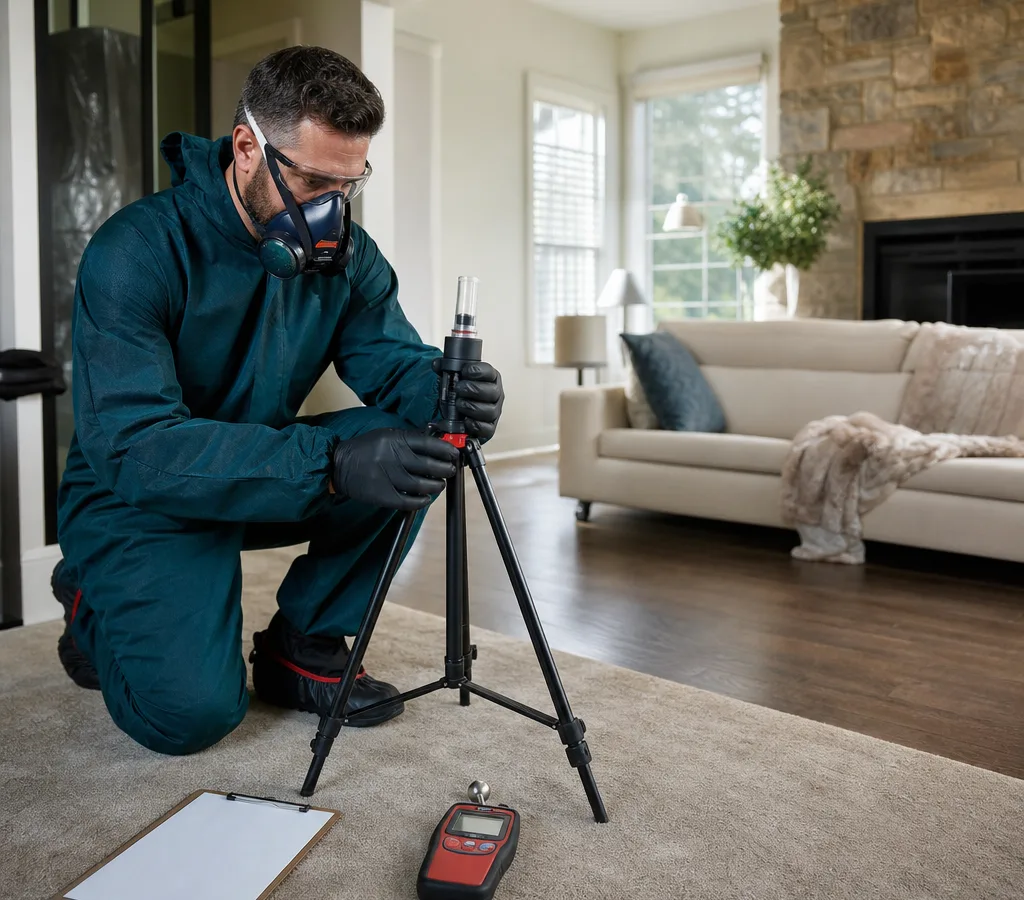
Mold testing Charlotte NC is most useful when you need confirmation, a baseline, or documentation. If you already see obvious growth, testing can still help you understand whether spores are elevated elsewhere in the home and which areas deserve priority.
Common reasons local homeowners and property managers request testing include:
Charlotte's humid summers and frequent HVAC runtime can hide moisture problems in attics, behind insulation, and inside wall cavities. The goal of testing is not to label a home “mold-free” because no building truly is, but to identify whether indoor conditions suggest an active problem and where it is coming from.
A proper mold inspection starts with the building, not the lab. Our technician looks for moisture sources first, then chooses the right sampling strategy for your layout and concerns.
Typical components include:
You will receive results that are easy to understand: what was sampled, where, why it was chosen, and what the findings mean for next actions. If the inspection points to a plumbing or building-envelope issue, we will explain the type of repair that typically solves the moisture source so testing does not become a recurring expense.
We do not default to the same number of samples in every home. We target the areas that best answer your question: "Is there a problem, and where is it coming from?"
You receive a report that documents locations, methods, and findings in plain language so you can act on it with confidence.
Mold follows water. Locating likely moisture sources is part of the inspection so you can fix the cause, not just the symptom.
If results suggest an active issue, we explain practical options, including containment considerations, material removal decisions, and when post-cleanup verification testing makes sense.
Testing is often used for pre-purchase concerns, tenant documentation, or to support a repair plan. We keep the process organized and well documented.
In Charlotte, moisture patterns often come from a mix of humidity, HVAC condensation, and intermittent leaks. During an inspection we pay special attention to areas that regularly trap moisture or have limited airflow.
Neighborhood-wise, we see different building styles and risk points. In Dilworth and Plaza Midwood, older housing stock can include previous renovations and layered materials that hide past leaks. In SouthPark, a mix of remodels and larger homes can mean more complex HVAC zoning and multiple condensation points. In Ballantyne, newer construction still gets moisture issues when drainage, grading, or builder details allow water to move toward the foundation.
If you are deciding what to do after a positive test, start with the cause. Cleanup without correcting the moisture source often leads to recurring odor, staining, or elevated indoor counts.
Mold testing in Charlotte typically ranges from $250 to $750+, depending on the size of the home and the number and type of samples. A straightforward visit with an inspection and a small set of air samples is usually at the lower end, while larger homes, multiple suspect areas, and added surface or cavity sampling move the price up.
Your total depends on square footage, access such as an attic or crawlspace, how many locations need answers, and whether you want post-cleanup verification testing. The exact cost is confirmed after we review your concerns and sampling plan during the on-site inspection.
We ask what you are noticing—odor, visible staining, recent leak, or health concerns—and whether there have been repairs, drying, or cleanup attempts.
We inspect the areas of concern, look for moisture pathways, and identify the best locations for sampling based on airflow and likely sources.
We collect air and/or surface samples as appropriate, including an outdoor control sample to compare indoor conditions against the same day's background.
Samples are submitted for analysis, then we review the results in context with what was observed in the building. Numbers without context can be misleading.
You receive a report with the sampling map, results, and practical recommendations. If cleanup is warranted, we can discuss mold remediation and whether verification testing is a good idea after work is completed.
If you suspect mold but do not know where it is coming from, testing can turn a vague concern into a clear plan: identify the source, confirm the extent, and document results for your records.
Call Now 704-946-5484Most lab-based results are available within a few days after sampling, and the timeline depends on the lab processing speed and the number of samples collected. We can often schedule the on-site inspection quickly, then you receive a written summary that ties results back to what was found during the inspection so you know what to do next.
If growth is clearly visible, the immediate priority is correcting the moisture source and planning safe removal, but testing can still be useful to check other rooms, document baseline conditions, or confirm whether airborne spores are elevated. In many homes, the visible spot is only part of the story, especially when there is a damp crawlspace or a slow plumbing leak behind a wall.
Air sampling measures the types and concentrations of spores in the air at the time of testing, while surface sampling helps identify what is growing on a specific material. Air samples are often used to compare indoor areas to an outdoor control sample taken the same day, and surface samples are most helpful when there is visible growth and you need documentation of what it is.
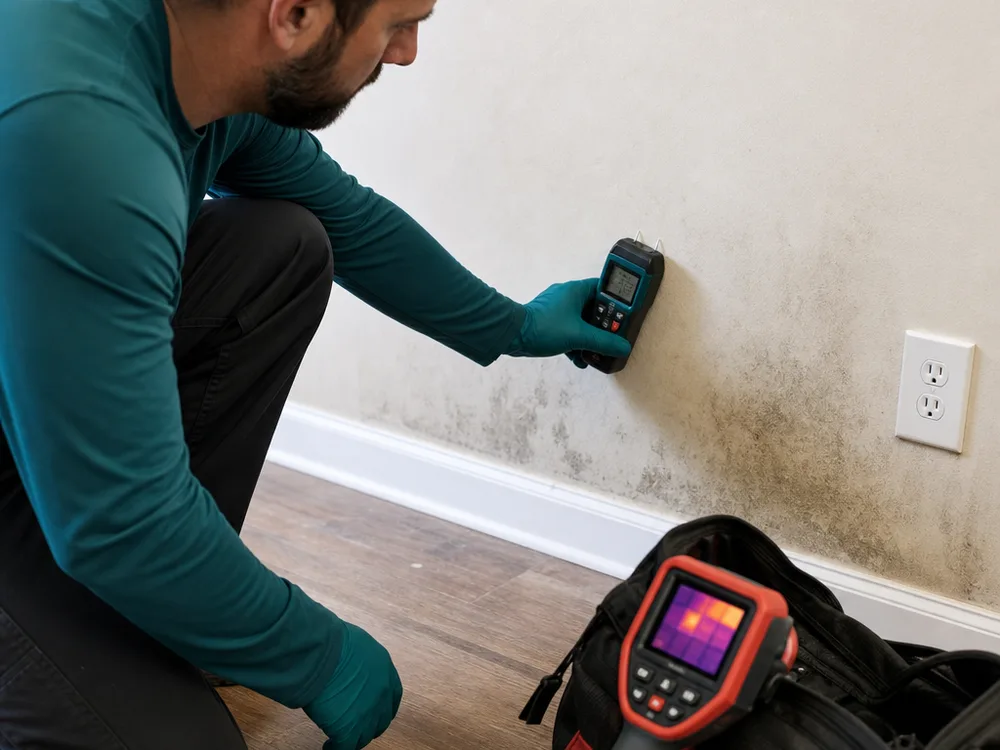
Not usually. We start with a visual inspection, moisture meters, and infrared scanning to locate suspect areas without opening materials. If findings strongly suggest moisture in a wall cavity, we will explain your options before any intrusive steps are taken, and in many cases you can make repair decisions based on moisture and building evidence alone.
Keep windows and exterior doors closed for a few hours beforehand if possible, avoid heavy cleaning right before the visit, and let us know about any recent leaks, drying equipment, or HVAC issues. If you have a crawlspace or attic access, clearing a small path helps us inspect safely and choose better sampling locations.
Yes. Mold testing is often used to document current conditions in a rental, support a repair plan, or help a buyer decide whether additional investigation is warranted. We focus on objective sampling, clear notes, and reporting that can be shared with property stakeholders when needed.
Consumer kits can show that mold exists—it does in every environment—but they rarely answer the decision-level questions: whether there is an indoor amplification problem, where it is likely coming from, and what to do next. Professional testing pairs sampling with moisture investigation, uses an outdoor control for comparison, and documents locations and conditions so results are actionable.
Tell us what you are noticing and where. Mold Removal Charlotte will recommend a sampling approach that fits your home and provide a written report you can use to plan repairs or cleanup.
Not sure which service you need? Start with mold removal in Charlotte for an overview of how we assess and treat mold problems.