A clear sampling plan
We explain why each sample is being taken and what question it answers, instead of collecting random locations.
Serving Charlotte, North Carolina & surrounding areas
Mon–Fri 8am–6pm · Sat 9am–2pm
If you suspect mold, musty odors, or unexplained irritation indoors, testing turns guesswork into clear next steps. We collect the right samples, document conditions, and explain what the results mean for your home or building.
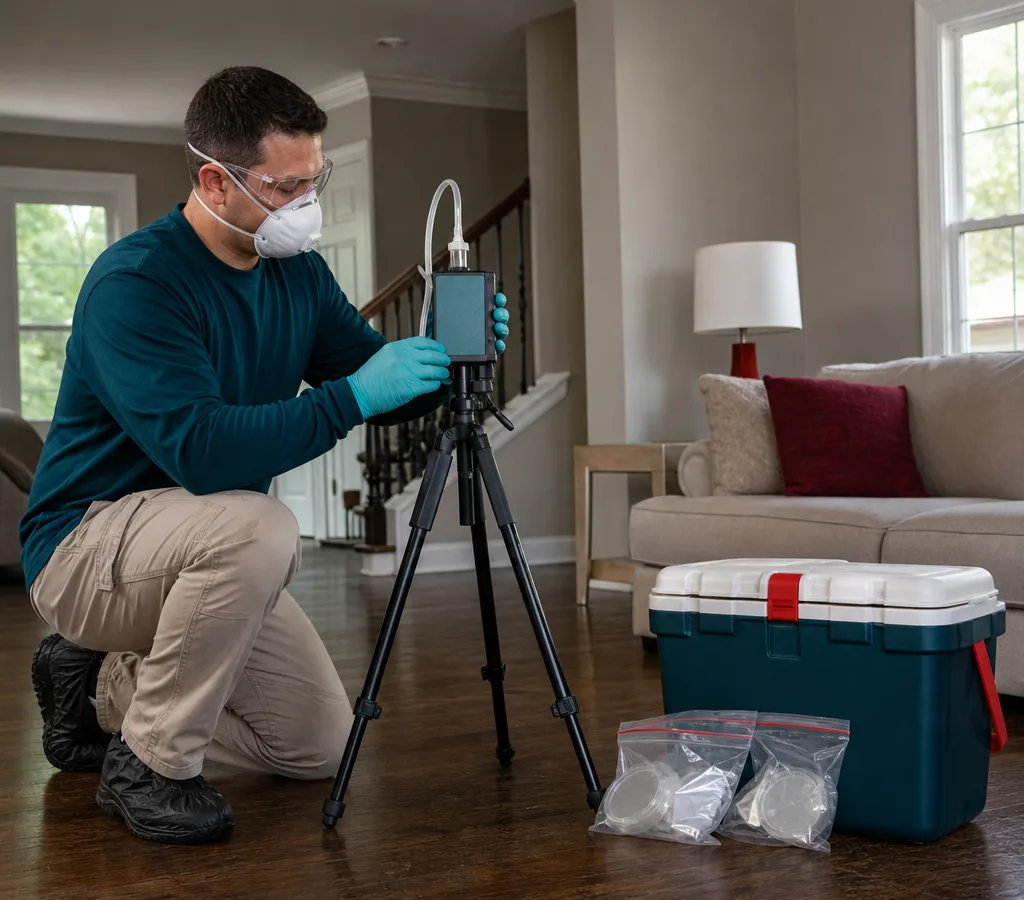
Indoor air quality testing Charlotte NC homeowners request is usually driven by a change you can feel or smell: a persistent musty odor after a leak, humidity that never seems to settle, visible spotting on drywall, or allergy-like symptoms that improve when you leave the building. Testing is also common when you are buying or selling a home and want documentation, or after repairs when you want to confirm the space is back to a normal baseline.
Charlotte's warm, humid stretches can keep building materials damp longer than people expect. Damp drywall, carpet pad, insulation, and the back side of baseboards can hold moisture without obvious surface staining. In neighborhoods with older housing stock like Plaza Midwood and Dilworth, you can also run into older crawlspaces, patched plumbing, and layered renovations where small historical leaks were sealed over instead of fully dried.
Good testing is less about running every possible sample and more about choosing the right samples and interpreting them in context.
A meaningful report ties sample locations to building history—including recent leaks, HVAC operation, ventilation, and humidity conditions—so you know what to do next.
A proper indoor air quality test plan starts with what you are trying to answer. For mold concerns, we typically use a combination of sampling types and visual notes.
Common sampling options include:
We also document moisture indicators and conditions that influence results, such as active leaks, staining patterns, ventilation issues, and humidity. If you already know there was water damage, testing should be planned around the questions that matter: Is there an active source, is growth present, and what areas should be opened or cleaned?
For clients who need help resolving a confirmed problem, we can coordinate next-step guidance with our Charlotte mold remediation team so the plan matches what the building actually needs.
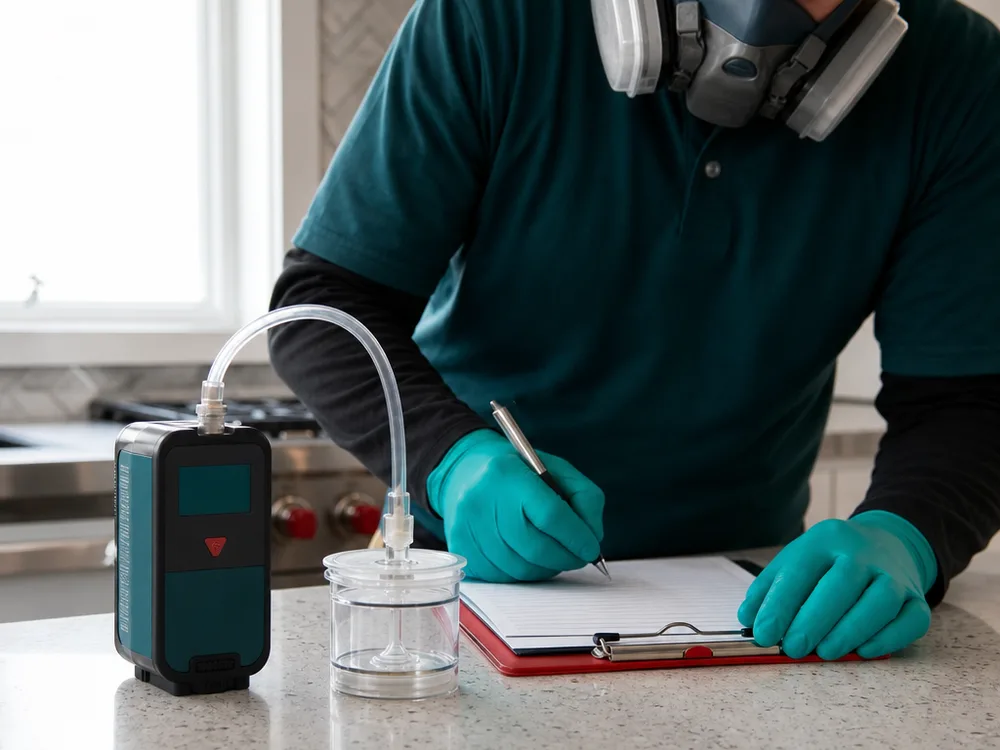
We explain why each sample is being taken and what question it answers, instead of collecting random locations.
For air testing, an outdoor control sample helps interpret what is normal for the day versus what is elevated indoors.
Sample locations, observed conditions, and a written summary that is easy to share with a landlord, buyer, seller, or contractor.
If results point to a likely source area, we outline what to inspect, what to open, and what to fix first.
We work clean and controlled, and we avoid unnecessary disturbance that can spread dust or spores.
We start with the symptoms you are seeing, any known water events, and which rooms are most affected. This helps set the right sampling strategy.
We look for moisture clues: staining, condensation points, HVAC return locations, bathroom and laundry ventilation, and any areas that feel damp or smell musty.
We take the agreed samples, often an outdoor control plus targeted indoor locations. If there is visible suspect growth, we may add surface sampling to identify the material on the spot.
Samples are submitted for analysis and identification. Turnaround depends on the lab schedule, but many clients receive results quickly enough to make near-term decisions.
We explain what was found in plain language, how it compares indoors versus outdoors, and what steps make sense next—whether that is targeted inspection, cleaning, moisture correction, or further evaluation.
Interpreting results without context is where people get misled. When we perform indoor air quality testing in Charlotte, NC, we pay attention to how the building is used and what local conditions may be influencing what is in the air that day.
Practical examples we see around Charlotte:
We also account for everyday variables that change air sample outcomes: recent cleaning, running fans, HVAC runtime, open windows, and major weather shifts. The goal is not to force a specific outcome. It is to capture a representative snapshot and explain it correctly.
Indoor air quality testing in Charlotte typically ranges from $300 to $900 for most mold-focused inspections with sampling, depending on how many areas are tested and whether surface samples are needed. A simple check with an outdoor control plus one or two indoor air samples often falls toward the lower end, while larger homes, multiple floors, and more targeted rooms increase the total.
Price is driven by sample count, access such as attics and crawlspaces, documentation needs for real estate or property management, and whether conditions suggest expanding the scope. The exact cost is confirmed after the on-site walkthrough and the sampling plan are set.
Most homes start with an outdoor control sample plus 1 to 3 indoor air samples placed in the areas that match your complaint, such as a basement or crawlspace-adjacent room and a main living area. Larger homes, multi-level layouts, or symptoms limited to specific rooms often justify additional locations so the results point to where the issue is strongest.
Yes, for mold-related air testing, an outdoor control sample taken the same day is the baseline for interpreting indoor results. Outdoor spore levels change with weather and season, and Charlotte's conditions can shift quickly after rain or during humid stretches, so the control matters for a fair comparison.
Sampling can often be scheduled quickly, and lab turnaround commonly comes back within a few business days, depending on lab workload and the sample type. If timing is tied to a real estate deadline, tell us up front so we can plan the visit and submissions accordingly.
Air testing can point to whether a problem is likely inside the building and which areas are most suspect, but it does not always identify the exact source by itself. The best outcomes come from combining air results with a walkthrough for moisture and building clues, then doing targeted inspection where the evidence points.
In many cases, normal HVAC operation helps the samples reflect real living conditions, but it depends on what you are trying to evaluate and whether there is concern about contamination inside the system. We will give simple pre-visit guidance so the results match your typical day-to-day use.
Yes, we can sample in and around crawlspaces and attics when access is safe and relevant to the complaint, and we can take surface samples on suspect areas. Duct sampling and HVAC-focused testing are handled case by case because access points and the question you are trying to answer determine what is meaningful.
Tell us what you are noticing and where it is happening. Mold Removal Charlotte will recommend a sensible sampling plan, explain the results, and help you decide what to do next.
Not sure which service you need? Start with mold removal in Charlotte for an overview of how we assess and treat mold problems.