Crawlspace humidity and damp framing
A musty odor that comes and goes often traces back to a damp crawlspace. We check moisture at sill plates and joists and look for standing water, poor drainage, or missing vapor barriers.
Serving Charlotte, North Carolina & surrounding areas
Mon–Fri 8am–6pm · Sat 9am–2pm
Get clear answers fast: where the moisture is coming from, what areas are affected, and what steps make sense next before anyone starts cleanup or repairs.
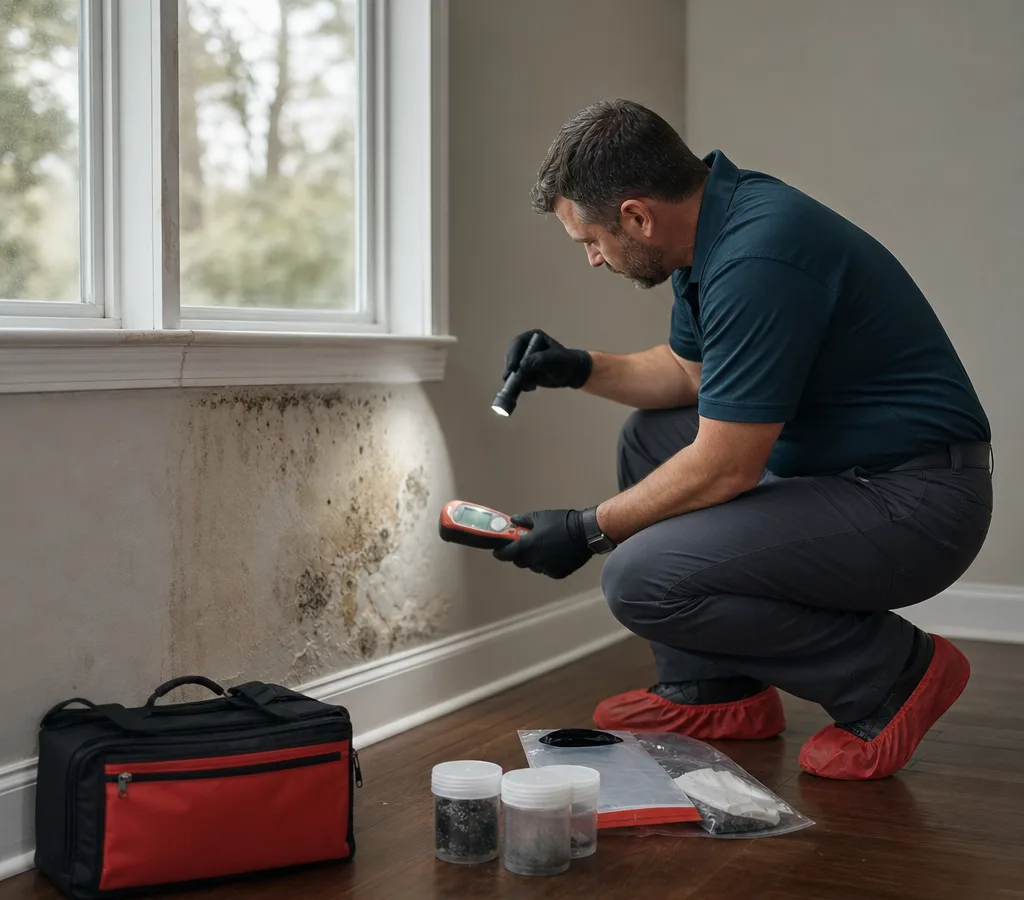
If you are searching for mold inspection Charlotte NC, you usually want one thing: a reliable, documented answer before the problem spreads or money gets spent in the wrong place. Mold growth follows moisture, so a good inspection focuses on finding the water source and mapping where conditions support growth.
At Mold Removal Charlotte, our inspections are built for decision-making. We look for visible growth, hidden moisture, and building conditions that keep areas damp, including roof leaks, plumbing leaks, HVAC condensate issues, wet crawlspaces, and poor ventilation. You will get a straightforward summary of what we found and practical next steps, whether that is targeted cleanup, drying, containment, or a referral to the right trade for repairs.
Many Charlotte homes have crawlspaces, attached garages, and mixed-use attic ventilation, all of which can create pockets of humidity. After heavy rains or a slow plumbing leak, odors often show up first in closets, around baseboards, or near supply vents. An inspection is how you separate a temporary humidity smell from an active moisture problem.
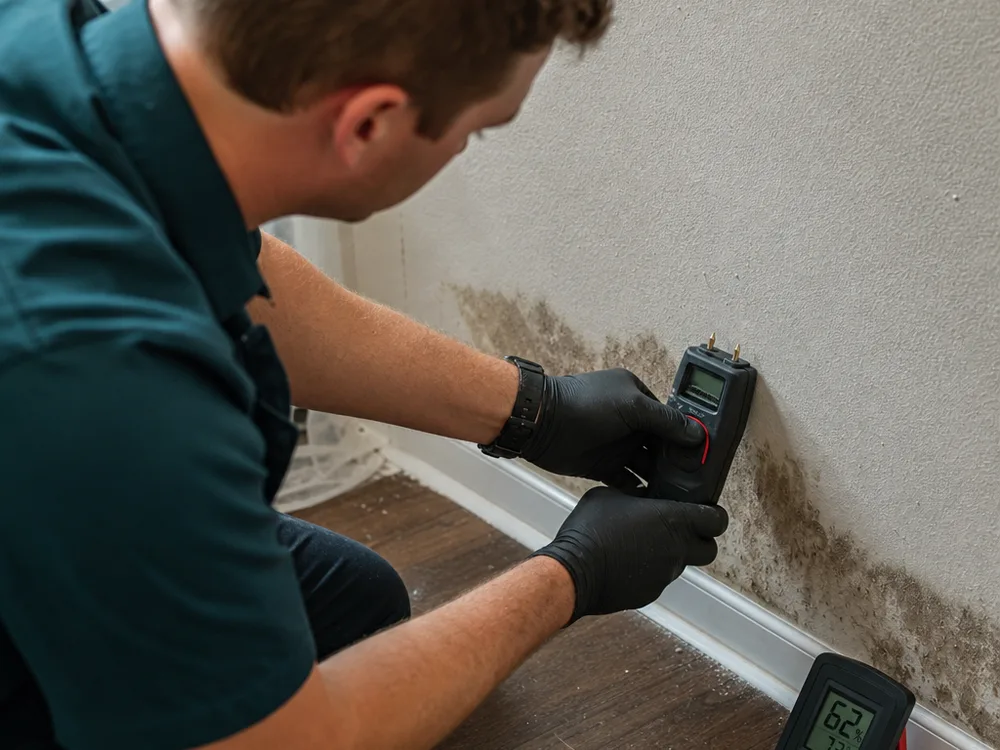
A thorough mold inspection is more than a quick look and a single air test. We combine visual checks with moisture diagnostics so the report points to the cause, not just the symptom.
Typical inspection steps include:
If you already know mold is present and you are deciding what to do next, a full Charlotte mold remediation plan normally starts with the same moisture-first approach: identify the source, contain the area, and prevent cross-contamination.
A musty odor that comes and goes often traces back to a damp crawlspace. We check moisture at sill plates and joists and look for standing water, poor drainage, or missing vapor barriers.
If exhaust fans are undersized or not vented outside, humidity lingers behind paint and around drywall seams. We check moisture around tubs, showers, and washer hookups.
Staining around sills, soft drywall corners, or recurring condensation can mean water intrusion. We document patterns that help a roofer or window contractor confirm the entry point.
In warm months, condensation lines, clogged drains, and sweating ductwork can wet framing and insulation. We look around air handlers, drain pans, and supply runs near problem rooms.
Tight spaces on exterior walls can trap humidity. We check for cold spots, limited airflow, and elevated moisture where belongings block circulation.
Tell us what you are noticing and where. If there was a recent leak or water event, we focus first on the wettest areas because early drying decisions matter.
We walk the areas of concern, take humidity and material moisture measurements, and check adjacent rooms above, below, and behind walls when the layout suggests migration.
We recommend air or surface sampling when lab confirmation will change the plan, support a real estate decision, or document conditions for a third party.
You get a clear summary of what is likely happening, where moisture is coming from, and what should happen next: drying, containment, cleaning, removal of damaged materials, or repair coordination.
Most mold inspections in Charlotte typically range from about $250 to $650, depending on home size, the number of areas checked, and whether sampling is needed. A basic visual inspection with moisture readings is usually at the lower end, while inspections that include multiple samples and more time in crawlspaces or attics trend higher.
Final price changes with access, including tight crawlspaces and high attic areas, how many rooms need moisture mapping, and how many samples are collected for lab analysis. The exact cost is confirmed when we review your concerns and the scope of the inspection.
Scheduling depends on current demand, but many inspections can be set up quickly once we know the address, the areas of concern, and whether crawlspace or attic access is needed. If you recently had a leak, mention it when you reach out so the inspection prioritizes active moisture and time-sensitive drying decisions.
If mold is clearly visible and the moisture source is identified, an inspection with documentation is often enough to plan next steps. Testing is most helpful when growth is hidden, when you need lab-backed documentation for a buyer, tenant, or insurer, or when symptoms are present but the source is unclear and you want data to guide targeted work.
A proper inspection usually identifies the most likely moisture source by combining visual clues with moisture readings and building-science patterns, such as wet materials below a bathroom, staining under a window, or elevated humidity around an air handler. If the source is intermittent, we document conditions and likely entry points so the right repair trade can confirm and fix it.
Leave the suspected areas accessible and avoid running air cleaners or ozone devices right before the visit because they can mask conditions and interfere with sampling decisions. If you can, note when odors are strongest—after rain, showers, or HVAC cycles—and gather any prior leak or repair history so we can focus the inspection.
Yes, as long as there is safe access. Many Charlotte properties have crawlspaces where humidity and drainage issues can drive odors and microbial growth, so we often check framing moisture, standing water signs, and ventilation conditions when the symptoms point that direction.
Yes. The first priority is stopping water intrusion or chronic moisture, because cleanup without correcting moisture often leads to repeat growth. Your findings summary should make the sequence clear: fix the source, dry the materials, then address contaminated or damaged building materials based on what was found.
Describe what you are seeing or smelling and where it is happening. We will recommend the right level of mold inspection for your Charlotte home and outline practical next steps based on moisture, not guesswork.
Not sure which service you need? Start with mold removal in Charlotte for an overview of how we assess and treat mold problems.